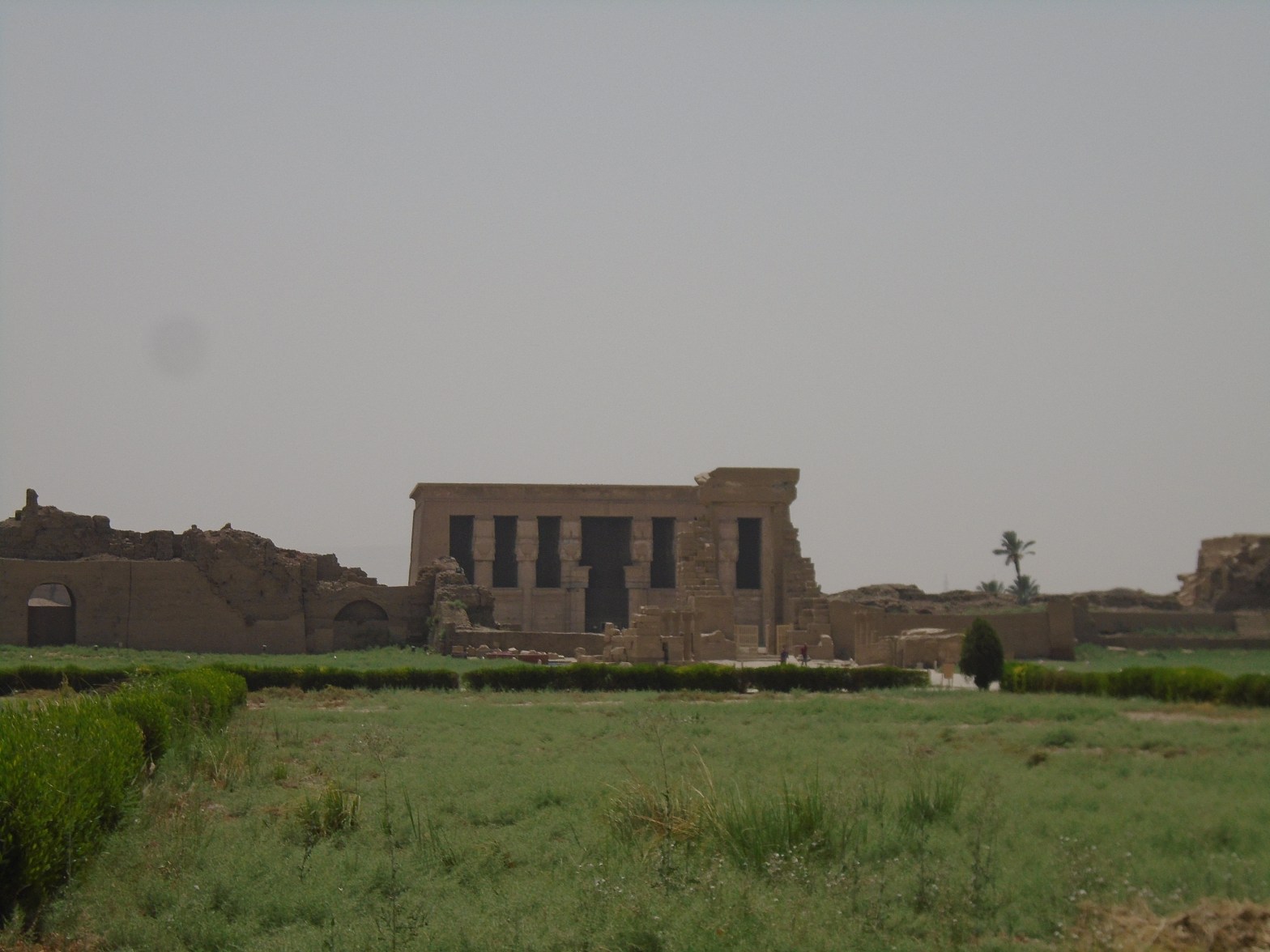
He-Hak-Sheh-Met was a Priest of Thoth.
He Lived in Abydos, in the time when the throne of ancient Egypt belonged to the pharaoh Seti the first.
He was the only son of wealthy plantation owners in Memphis.
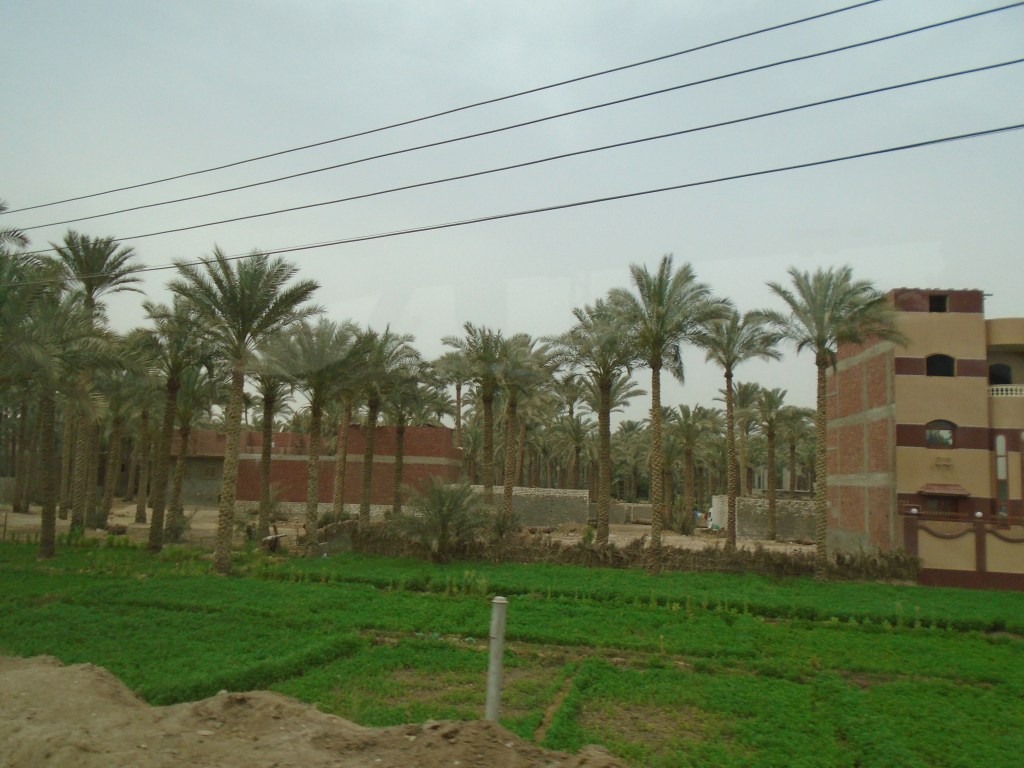
Memphis was the capital city in those times, and flourished under the Giza plateau, where the Great Pyramids of old still stand.
His father was a retired warrior and military man of high status.
His father enjoyed relaxing, eating, and being served-upon by his many servants.
He was a kind man to his family and friends.
But, if you disobeyed his commands, he was known to be cruel and fierce.
Father was not a heavy man, but round, and very muscular and fit from his time fighting wars on the Sinai Peninsula.
He enjoyed walking the fields of the plantation before dawn, alone, to thank The Gods for all of his wealth and good fortune in life.
There was so much bounty of food at the plantation; it made him happy, as he was hungry often in his youth.
Drought and famine was a problem for his family when he was very young.
Father died at the age of 53 in his home in Memphis.
He was known to be smiling in bed when discovered the morning after his passing to the Halls of Amenti.
He-Hak-Sheh-Met’s mother was a kind and gentle soul.
She often gossiped and drank too much wine.
Mother would spend lavish amounts of money on dinner- parties and feasts to impress her circle of aristocratic friends and peers.
On one occasion, 10 cows were slaughtered for a single, massive feast.
On another occasion, 1,000 roast ducks were prepared in a single afternoon, and the guests were very impressed.
The pharaoh Seti was fond of the stories he heard of the magnificent parties and banquets held at the plantation.
The royal courtiers and princesses who had been to the large gatherings shared with the pharaoh the stories of magnificence and charm.
The plantation was a large estate and had dozens of cows, pigs, goats, chickens, ducks, and oxen living on site.
There were several lazy dogs and colorful cats that intermingled with the animals.
They grew wheat, barley, alfalfa, and many vegetables and fruits.
The land was very fertile, and was re-made each year by the annual flood of the River Nile.
The land was worked by dozens of slaves.
At times, 60 or more slaves lived and worked at the plantation.
Nubians, Israelites, and Egyptian slaves worked side by side in the fields, and in the household, although the women from Nubia were the home keepers of the estate and prepared most of the food.
He-Hak-Sheh-Met’s parents felt totally justified in their own minds of owning the slaves – as they were racist and did not have empathy for them as they did their kin and peers.
They thought the gods preferred them, and thus, it was perfectly all right to mistreat and enslave the workers.
He-Hak-Sheh-Met went to Abydos for the first time when he was nine years old.
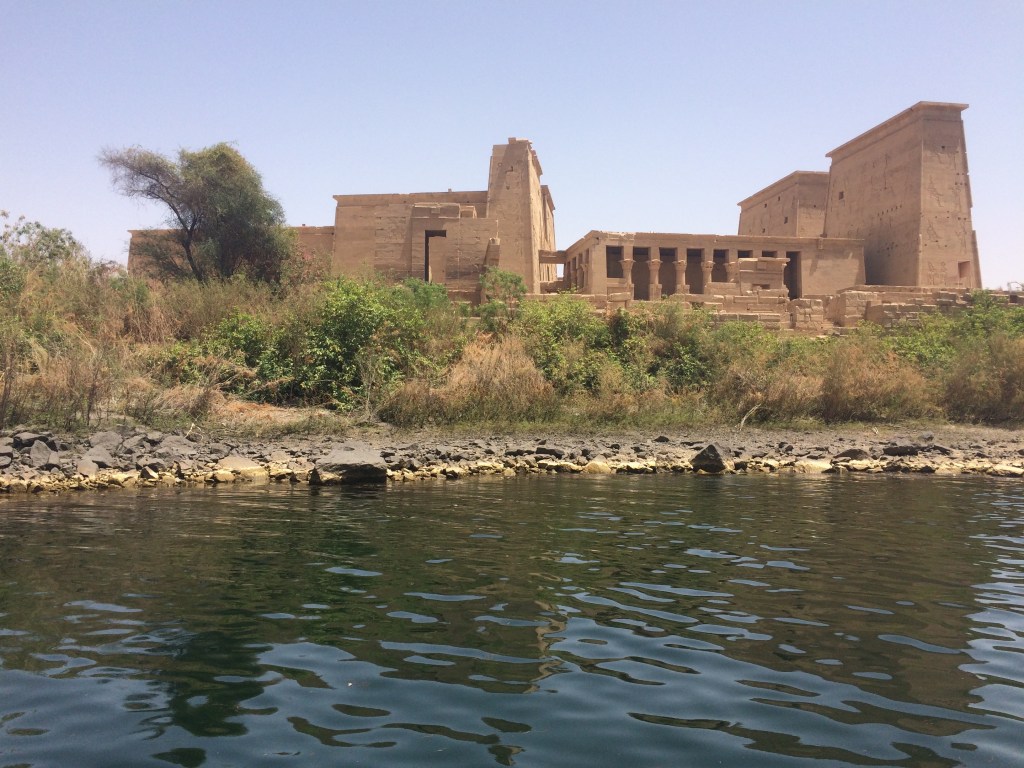
The family left the Memphis estate and traveled by river boat to the sacred town of Abydos for the annual festival that celebrates the power of Osiris and Horus’ ability to conquer Set year after year.
On the third day of the festival, the family was approached by the head of the chapel of Thoth, an important priest with high regard in his community for his ability to write, record, share knowledge, as well as other valuable skills.
The priest told the parents that their son would become a priest of Thoth, if he so chose.
They were told that the priest saw something special in the boy.
What the priest saw was, in fact, the Purple Flame, burning in his third eye.
“Not every child is aflame with the light of Ra,” said the priest to the boy’s parents.
The parents were honored.
This would mean a life of wealth and knowledge for their son.
Only very few were given the opportunity to enter the Thoth priesthood.
The priest told them to take the boy back to Memphis, and to keep raising him until he was ready to live in Abydos.
The parents thanked the high priest, and returned to their lavish life in Memphis.
The boy did not return for four years.
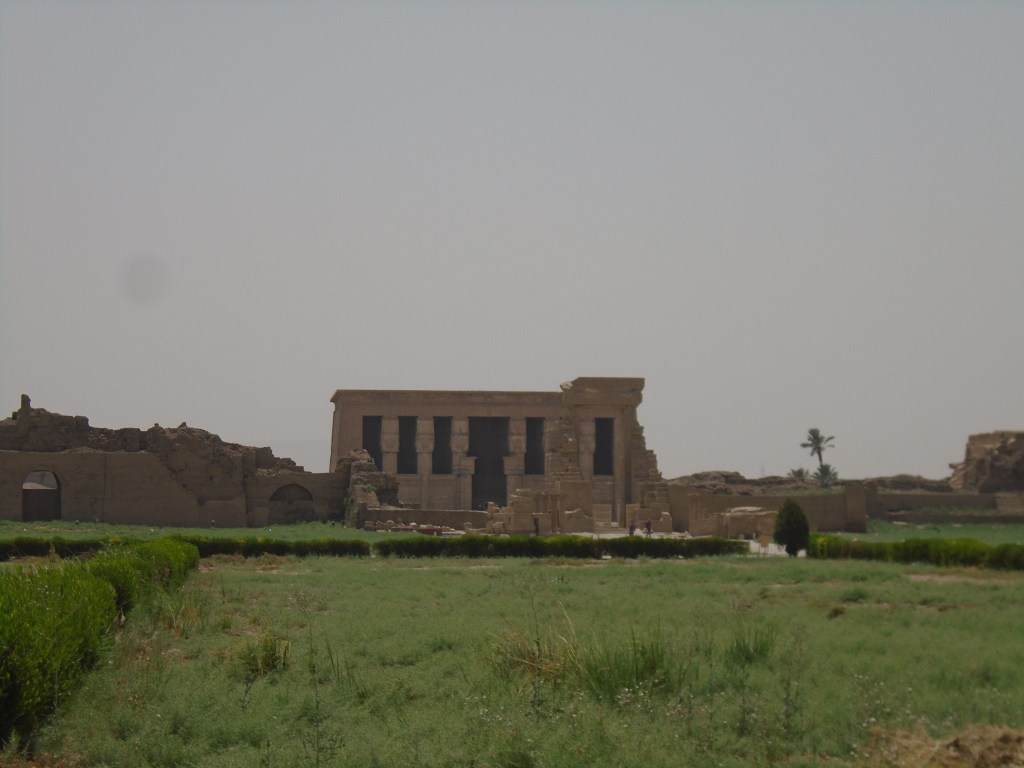
When He-Hak-Sheh-Met was 13 years of age, he moved to Abydos for the rest of his life.
He arrived by boat, with only a single trunk filled with cloths, papyrus, incense, beer, starter sourdough, and a few small trinkets of holy images.
The holy images were small, stone statuettes of Osiris, Isis, Thoth, Sekhmet and a papyrus painting of Horus.
The young man went to the chapel of Thoth shortly after dawn, and found the gate to be locked.
He waited outside in the cool morning air for several hours before the door opened and a young man stuck his shaved head out of the chapel gates.
He-Hak-Sheh-Met was invited in and brought to the high priests’ quarters where they were reintroduced and had some food.
For breakfast they ate local fruit and bread and some wine.
He was shown to a small mud hut at the back of the chapel, and told he could sleep there for a few days until a proper mud brick house could be built for him.
The hut had a sand floor and a small fire ring in the corner near the entrance.
The roof was mud and had broken through in a few places.
He-Hak-Sheh-Met could see the stars at night.
He was so happy his first day in Abydos.
He thanked the Gods for his good fortune, and was so curious to see what his life in the priesthood would be like.
End of part I.
 The Fire Within